
This English edition explains First exchange deposit checklist: asset, network and credit status for readers comparing crypto services, wallets and public blockchain information. It is an educational guide, not personal investment, tax or legal advice.
Scope and terms
Define the object before drawing a conclusion. Record the network, product, account type, version and date. A familiar brand or token symbol does not prove that two services use the same entity, contract or rule.
Start with primary sources
Open the official source directly and preserve the fixed URL, publication date and relevant paragraph. Separate an official fact, an account screen and an editorial explanation. Search snippets and social posts are leads, not evidence.
Account and network checks
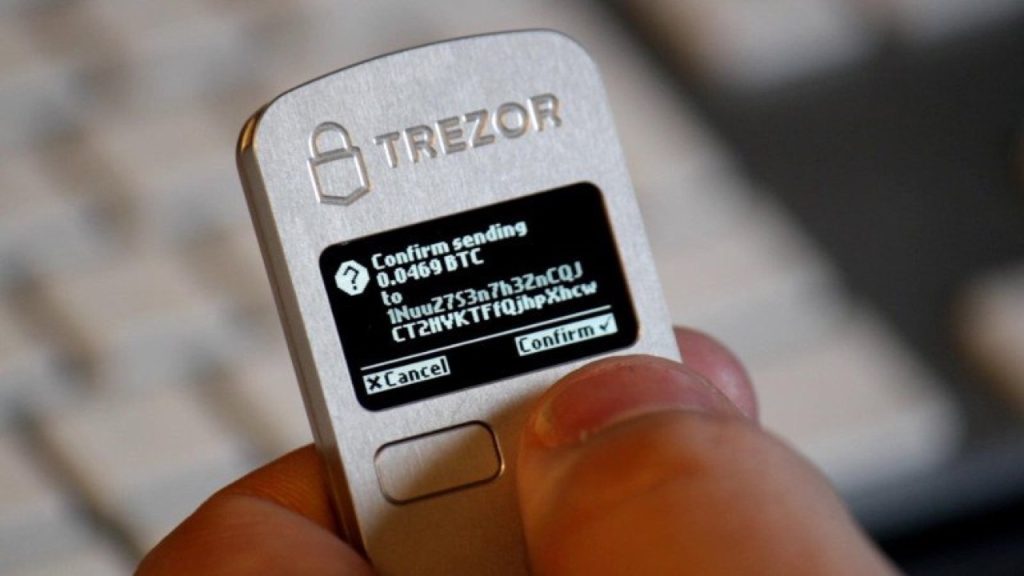
Check the path before taking action. Compare the destination address, asset, network, fee, minimum amount, confirmation requirement and exit route. A small test can validate one path at one moment; it cannot guarantee a later transaction or regional availability.
Security and privacy
Treat credentials and recovery material as private. Never provide a seed phrase, private key, password or one-time code to a support contact. Use least privilege, hardware security where available, notifications and withdrawal allowlists.
Keep a review record
Keep the original page, transaction identifier, screenshot, timestamp and unresolved questions. When a rule changes, update the article and explain what changed. Do not turn an estimate, a snapshot or a historical announcement into a promise.
Regional limits
Language access is not a licence or eligibility decision. Check the reader’s residence, the contracting entity, product scope and local restrictions. Do not use VPNs, hidden redirects or multiple domains to bypass a restriction.
Frequently asked question
First exchange deposit checklist: asset, network and credit status
Can this guide be followed as a guaranteed procedure? No. Platform terms, network conditions, fees, identity checks and local rules change. Recheck the official source before acting, and stop when the result differs from the documented path.