
Tutorials
Choosing a Stablecoin Transfer Network Without Losing the Deposit
A network-selection checklist that separates asset identity, destination support, fees and crediting rules.
Step-by-step workflows for common blockchain tasks, with small tests and deliberate network and address checks.
A network-selection checklist that separates asset identity, destination support, fees and crediting rules.
A least-privilege workflow for collecting balances and fills without granting an API key trading or withdrawal power.
A practical method for reconciling a self-custody wallet with blockchain data and a personal ledger without treating a screen balance as proof.
How to diagnose a failed Ethereum transaction by separating execution, gas limit, fee fields and wallet simulation.
A careful final-signing procedure for PSBTs that checks inputs, outputs, policies and broadcast readiness.

This English edition explains How to read exchange proof of reserves: snapshots, liabilities and limits for readers comparing crypto services, wallets and public blockchain information. It is an educational guide, not personal investment, tax or legal advice.

This English edition explains Organising crypto portfolio records: accounts, wallets and cost evidence for readers comparing crypto services, wallets and public blockchain information. It is an educational guide, not personal investment, tax or legal advice.

This English edition explains Verifying exchange announcements: maintenance, asset changes and phishing links for readers comparing crypto services, wallets and public blockchain information. It is an educational guide, not personal investment, tax or legal advice.

This English edition explains Reading wallet transaction simulations: expected changes, approvals and failure warnings for readers comparing crypto services, wallets and public blockchain information. It is an educational guide, not personal investment, tax or legal advice.
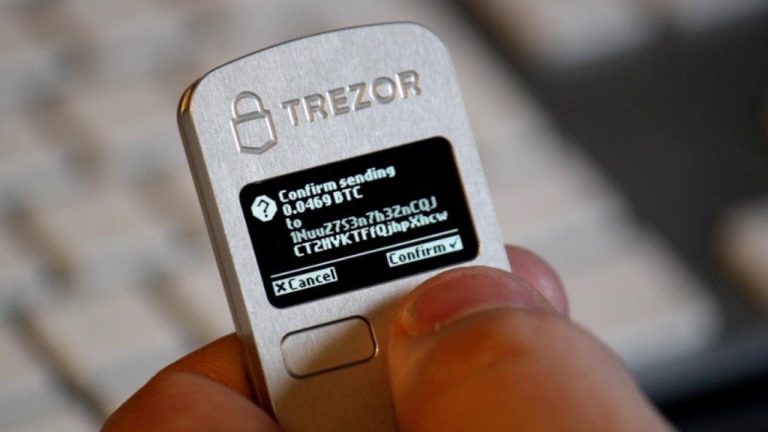
This English edition explains First exchange deposit checklist: asset, network and credit status for readers comparing crypto services, wallets and public blockchain information. It is an educational guide, not personal investment, tax or legal advice.